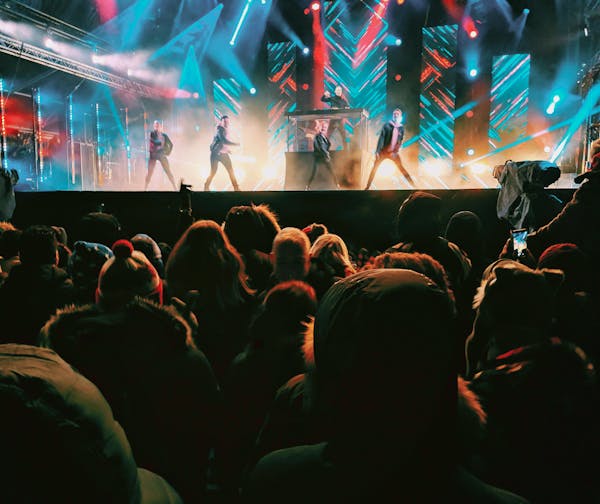
Behind the Scenes: How We Sold 10,000 Tickets in One Week

Selling 10,000 tickets in just one week is no small feat, but with the right strategies, tools, and a dedicated team, it’s possible. In this behind-the-scenes look, we’ll break down the exact steps we took to achieve this milestone, from pre-launch planning to post-sale engagement. Here’s how we made it happen:
1. Planning the Perfect Launch
Success starts with preparation. Before launching ticket sales, we outlined our goals, audience, and promotional strategy. Key steps included:
- Defining Goals: We aimed to sell 10,000 tickets within seven days while building long-term brand awareness.
- Identifying Our Audience: We segmented our audience based on demographics, interests, and previous engagement.
- Creating a Timeline: We mapped out a detailed promotional calendar with milestones for pre-launch, launch, and follow-up campaigns.
Platforms like TixHD helped us streamline ticketing logistics and keep track of sales in real-time.
2. Building Buzz Before the Launch
To create excitement, we started promoting the event weeks before tickets went on sale. Our pre-launch strategies included:
- Teaser Campaigns: We shared behind-the-scenes videos, performer announcements, and sneak peeks to generate anticipation.
- Email Marketing: We sent early access links to our subscriber list, offering exclusive pre-sale opportunities.
- Social Media Engagement: We used hashtags, countdowns, and polls to build momentum and encourage sharing.
By the time ticket sales opened, we had a highly engaged audience ready to buy.
3. Launching With a Bang
The first 24 hours of ticket sales are critical. We maximized impact by:
- Announcing Across All Channels: We coordinated announcements via email, social media, and our website simultaneously.
- Leveraging Influencers: Local influencers and performers shared ticket links with their followers, amplifying our reach.
- Highlighting Scarcity: We emphasized limited availability and used real-time updates like “50% of tickets sold in 3 hours!”
This multi-channel approach created urgency and ensured a strong start to sales.
4. Offering Early Bird Discounts
Early bird pricing was a cornerstone of our strategy. By offering discounted tickets for a limited time, we incentivized quick purchases. Our approach included:
- Limited-Time Offers: “Save 20% when you buy before [date]!”
- Highlighting Savings: We compared early bird prices to regular prices to showcase the value.
- Countdown Timers: We added visual timers to our ticketing page to reinforce urgency.
Platforms like TixHD allowed us to automate pricing changes once the early bird period ended.
5. Engaging Through Social Media
Social media was instrumental in driving sales. We focused on creating shareable content and fostering community engagement through:
- Live Updates: Regular posts highlighting milestones like “1,000 tickets sold in 2 hours!”
- User-Generated Content: Encouraging attendees to share their excitement using event hashtags.
- Interactive Campaigns: Polls, Q&A sessions, and giveaways kept our audience engaged and excited.
Social media also served as a platform for answering questions and addressing concerns in real time, ensuring a smooth customer experience.
6. Using Referral Programs
We leveraged a referral program to expand our reach and incentivize word-of-mouth marketing. Attendees earned rewards, such as discounts or exclusive merchandise, for each successful referral. Key features included:
- Personalized referral links for easy sharing.
- Real-time tracking of referrals and rewards.
- Bonus prizes for top referrers.
Referral programs helped us tap into attendees’ networks and significantly boost sales.
7. Leveraging Email Marketing
Our email marketing strategy was focused on driving conversions with personalized, timely messaging. Campaigns included:
- Launch Announcements: “Tickets are now available—don’t miss out!”
- Follow-Up Reminders: “Only 3 days left to get early bird pricing!”
- Last-Minute Pushes: “Final hours—tickets are almost gone!”
Segmenting our email list allowed us to send targeted messages based on audience behavior, increasing engagement and conversions.
8. Offering Flexible Payment Options
To make tickets accessible to a wider audience, we introduced flexible payment options, such as:
- Installment plans for higher-tier tickets.
- “Buy now, pay later” options.
- Discount codes for early access buyers.
This flexibility reduced financial barriers and encouraged more attendees to commit to purchasing tickets.
9. Monitoring Real-Time Analytics
Throughout the week, we closely monitored real-time analytics to optimize our efforts. Key metrics included:
- Conversion rates for different marketing channels.
- Peak sales times for targeted campaigns.
- Ticket tiers with the highest performance.
Using insights from TixHD, we adjusted our strategy on the fly, focusing resources on what worked best.
10. Following Up After the Sale
Our efforts didn’t stop after hitting our goal. Post-sale engagement helped us build long-term relationships with attendees. Activities included:
- Sending thank-you emails to ticket buyers.
- Sharing exclusive content, like sneak peeks or interviews with performers.
- Encouraging attendees to invite friends or upgrade their tickets.
Maintaining communication kept attendees excited and ensured a strong turnout on event day.
Conclusion
Reaching 10,000 ticket sales in one week required a combination of planning, creativity, and data-driven decision-making. By leveraging tools like TixHD, engaging our audience across multiple channels, and creating urgency, we turned our goal into a reality.
Looking to replicate our success? Visit TixHD for expert solutions tailored to event organizers and ticketing success.